

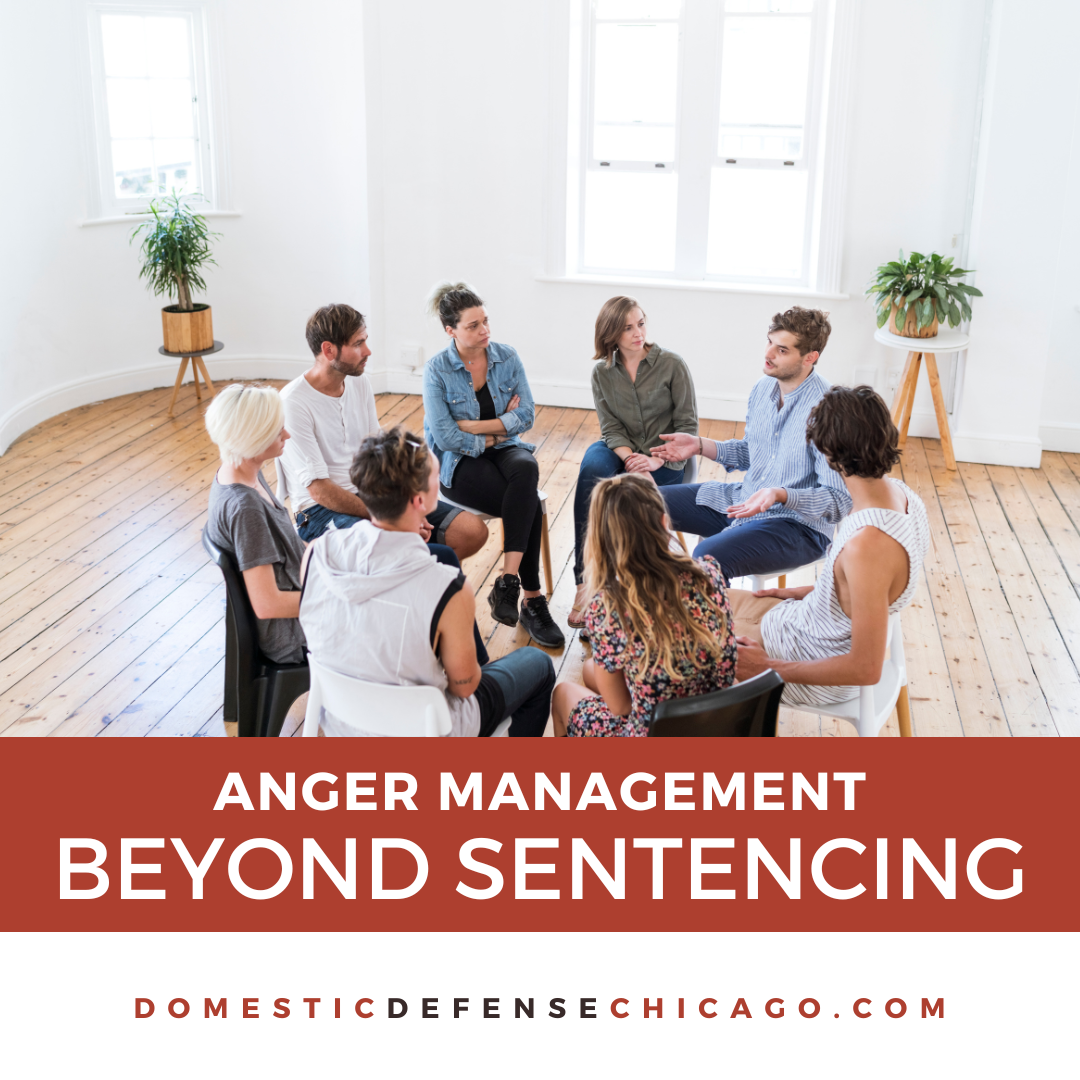
When people think of anger management programs in the context of domestic battery cases, they often picture them as part of a court-ordered sentence—something a judge imposes after a conviction. While that’s one way these programs come into play, it’s far from the whole story.
Anger management courses can also influence negotiations, affect how prosecutors view your case, and shape the court’s perception of you long before a verdict. That doesn’t mean enrolling will automatically lead to reduced charges or a dismissal—no lawyer can guarantee that—but it can be a strategic move when guided by legal counsel.
What Anger Management Programs Actually Do
Anger management programs aren’t about labeling someone as a violent person. Instead, they aim to:
-
Identify triggers for anger and conflict
-
Teach de-escalation and communication techniques
-
Provide coping tools for high-stress situations
-
Address underlying issues such as stress, anxiety, or trauma
These skills aren’t just for people with a history of violence—they can benefit anyone who wants to improve their emotional responses and conflict resolution.
Voluntary Enrollment Before Sentencing
One of the most underappreciated aspects of anger management programs is their potential impact when started before the court orders it. Voluntary enrollment can sometimes:
-
Demonstrate to prosecutors and judges that you take the situation seriously
-
Support negotiations for reduced penalties or alternative sentencing options
-
Show genuine intent to address any contributing issues
An attorney can help determine whether early enrollment could be beneficial in your specific case and how to present it in a way that strengthens your defense.
How Courts May View Participation
In Illinois domestic battery cases, judges have discretion in sentencing and often consider rehabilitation as a factor. Voluntary participation in an anger management program could be seen as a proactive step toward personal improvement.
However, it’s important to remember:
-
It does not erase the charges.
-
It is not a guarantee of leniency.
-
Its value depends on the program’s quality, your participation, and the overall facts of the case.
The Role in Plea Negotiations
During plea discussions, your attorney might present program participation as part of a broader mitigation strategy. For example:
-
Suggesting program completion in exchange for probation instead of jail time
-
Proposing it as part of a deferred prosecution agreement
-
Using it to support arguments for lesser charges
While this approach can be effective, it works best when backed by other strong elements of the defense.
Choosing the Right Program
Not all anger management programs are created equal. Courts and prosecutors often prefer:
-
Licensed or certified programs with a clear curriculum
-
Programs that provide completion certificates or progress reports
-
Courses tailored for domestic violence-related cases when applicable
Your attorney can help you find programs recognized in your jurisdiction and advise on which will carry the most weight in court.
Why Early Legal Guidance Matters
Jumping into a program without consulting your lawyer can be risky. In some situations, voluntary enrollment might be interpreted as an admission of guilt, especially if done immediately after the incident. A lawyer can evaluate whether it’s a strategic choice in your case, ensuring it helps rather than harms your position.
You can review Illinois’s domestic violence sentencing guidelines through the Illinois Courts’ official resources, which outline how rehabilitation programs may factor into sentencing decisions.
The Personal Benefit
Even beyond the courtroom, completing an anger management program can have lasting benefits:
-
Improved communication with family, friends, and coworkers
-
Reduced stress in everyday interactions
-
Better understanding of your own triggers and reactions
While these benefits may not be measurable in legal terms, they can help you rebuild trust and stability in your personal life.
How an Attorney Can Incorporate This Into Your Defense
No attorney can promise that anger management participation will change your case outcome. But they can:
-
Assess whether early enrollment aligns with your defense strategy
-
Present your participation to the court in the most favorable light
-
Use it as part of negotiations with the prosecution
-
Ensure it complements other evidence and arguments in your favor
Anger management programs aren’t just a sentencing requirement—they can be a proactive part of your defense approach. With guidance from a lawyer, they may help position you for the best possible outcome while also giving you tools to prevent future conflicts.
Do You Need to Talk to an Attorney About Domestic Battery Defense?
If you need to talk to a domestic battery defense attorney in Illinois, we’re here to help. Call us at 847-920-4540 now – we’ll be happy to give you a free consultation and talk to you about your options.