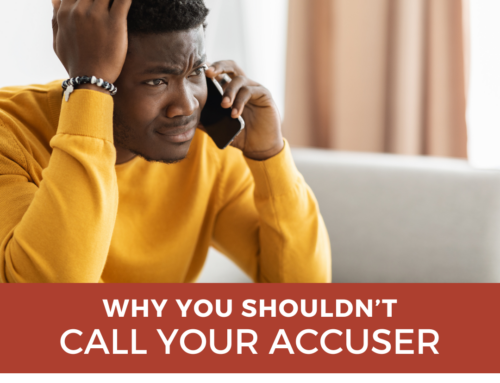


Divorce can be one of the most emotionally charged events in a person’s life. When there’s already tension over property division, custody arrangements, or financial support, some divorces escalate into battles where accusations become strategic weapons. False domestic battery allegations are one of the most serious—and damaging—examples of this.
If you’re facing a domestic battery charge in the middle of a divorce, the stakes are high. While no attorney can promise a specific result, working with a lawyer gives you the best possible chance of challenging the allegations and protecting your future.
Why Domestic Battery Allegations Arise in Divorce
False or exaggerated claims don’t appear out of thin air. In high-conflict divorces, motivations may include:
-
Gaining Leverage in Custody Disputes: A domestic battery charge can sway custody decisions, making one parent appear unsafe.
-
Influencing Property Division: In some states, evidence of abuse can impact who gets the marital home or other shared assets.
-
Emotional Retaliation: Anger, betrayal, or resentment can drive someone to make accusations to “punish” the other party.
-
Control Over Divorce Proceedings: Allegations can pressure the accused into settling under unfavorable terms to avoid criminal conviction.
How Allegations Affect Custody and Visitation
Family courts prioritize child safety, and allegations of violence—even unproven—can trigger immediate restrictions. This can mean:
-
Supervised visitation instead of standard parenting time.
-
Temporary suspension of visitation rights.
-
A presumption against awarding joint custody.
Even if criminal charges are later dismissed, the damage to your parental rights can be difficult to undo. For more on custody considerations, review the U.S. Department of Health & Human Services’ resources on child welfare and domestic violence.
Protective Orders as a Divorce Tactic
An accuser in a divorce case might seek an order of protection alongside domestic battery charges. These orders can:
-
Force you out of your home.
-
Restrict your access to children.
-
Prevent contact with your spouse, even for important logistical matters.
While protective orders are vital tools for genuine safety concerns, in the wrong hands, they can be misused to gain the upper hand in divorce negotiations.
The Ripple Effect on Your Reputation
False domestic battery allegations in a divorce case can damage your reputation with friends, family, employers, and the community. The stigma alone can create isolation and make it harder to present yourself as a responsible parent or partner in court.
How Criminal and Family Court Interact
Domestic battery charges are handled in criminal court, while divorce and custody matters proceed in family court. However, the two can influence each other in several ways:
-
Evidence from the criminal case may be introduced in family court.
-
Family court judges may consider pending criminal charges when making custody decisions.
-
Statements made in one court can be used against you in the other.
This overlap makes it risky to speak or act without legal guidance.
Gathering Evidence to Challenge False Allegations
While the burden of proof rests with the prosecution in a criminal case, family court operates under a lower standard of proof. This means that even unproven allegations can carry weight.
A lawyer can help collect:
-
Digital Communications: Texts, emails, or social media messages that contradict the accusations.
-
Witness Statements: Testimony from people who can speak to your behavior and relationship dynamics.
-
Timeline Evidence: Records showing your location or activities at the time of the alleged incident.
Without this evidence, false allegations can stand unchallenged.
The Role of Inconsistencies
If the accuser’s story changes over time, these inconsistencies can be used to cast doubt on their credibility. This is especially important in divorce cases, where narratives may shift to fit evolving legal strategies.
A lawyer can review police reports, affidavits, and prior testimony to identify—and legally challenge—these contradictions.
Financial Consequences
Aside from potential criminal penalties, false allegations can have lasting financial effects:
-
Loss of income if you’re suspended or terminated from your job.
-
Increased legal costs for defending both the criminal and family court cases.
-
Reduced access to shared assets during the divorce.
Avoiding Self-Sabotage
In the emotional turmoil of a divorce, it’s tempting to respond directly to false claims—especially if you feel the allegations are outrageous. But engaging in heated conversations, posting on social media, or trying to “set the record straight” can backfire and provide ammunition for your accuser.
Why Legal Representation Is Essential
An attorney cannot guarantee the charges will be dropped or that you’ll win your divorce case. What they can do is:
-
Develop a defense that addresses both the criminal and family court implications.
-
Ensure you don’t inadvertently harm your own case through statements or actions.
-
Coordinate strategies to minimize the impact on custody, property division, and your reputation.
The Long-Term Stakes
Even if the criminal charges are resolved in your favor, the family court’s perception of you can shape the outcome of your divorce for years to come. Protecting your rights now can prevent long-term damage to your relationship with your children, your finances, and your standing in the community.
Final Thoughts
False domestic battery allegations in divorce cases are not just a legal issue—they’re a life-changing event that can affect your family, finances, and future. While you can’t control what someone else accuses you of, you can control how you respond.
The smartest step you can take is to work with an attorney who understands both criminal defense and the family law dynamics that these allegations can influence. They can’t promise a specific outcome, but they can give you the strongest defense possible under the circumstances.
Do You Need to Talk to an Attorney About Domestic Battery Defense?
If you need to talk to a domestic battery defense attorney in Illinois, we’re here to help. Call us at 847-920-4540 now – we’ll be happy to give you a free consultation and talk to you about your options.