
When you’re facing a domestic battery charge, every move you make is under scrutiny—sometimes even more so outside the courtroom than inside. One of the most underestimated risks is your own social media activity.
In an age where people post daily about their personal lives, it can feel unnatural—or even suspicious—to go completely silent. But in reality, social media silence can be one of the smartest moves you make during your case. While no lawyer can guarantee how silence will affect the outcome, an attorney can explain why staying quiet online often gives you the best possible chance of protecting your defense.
Social Media as Evidence
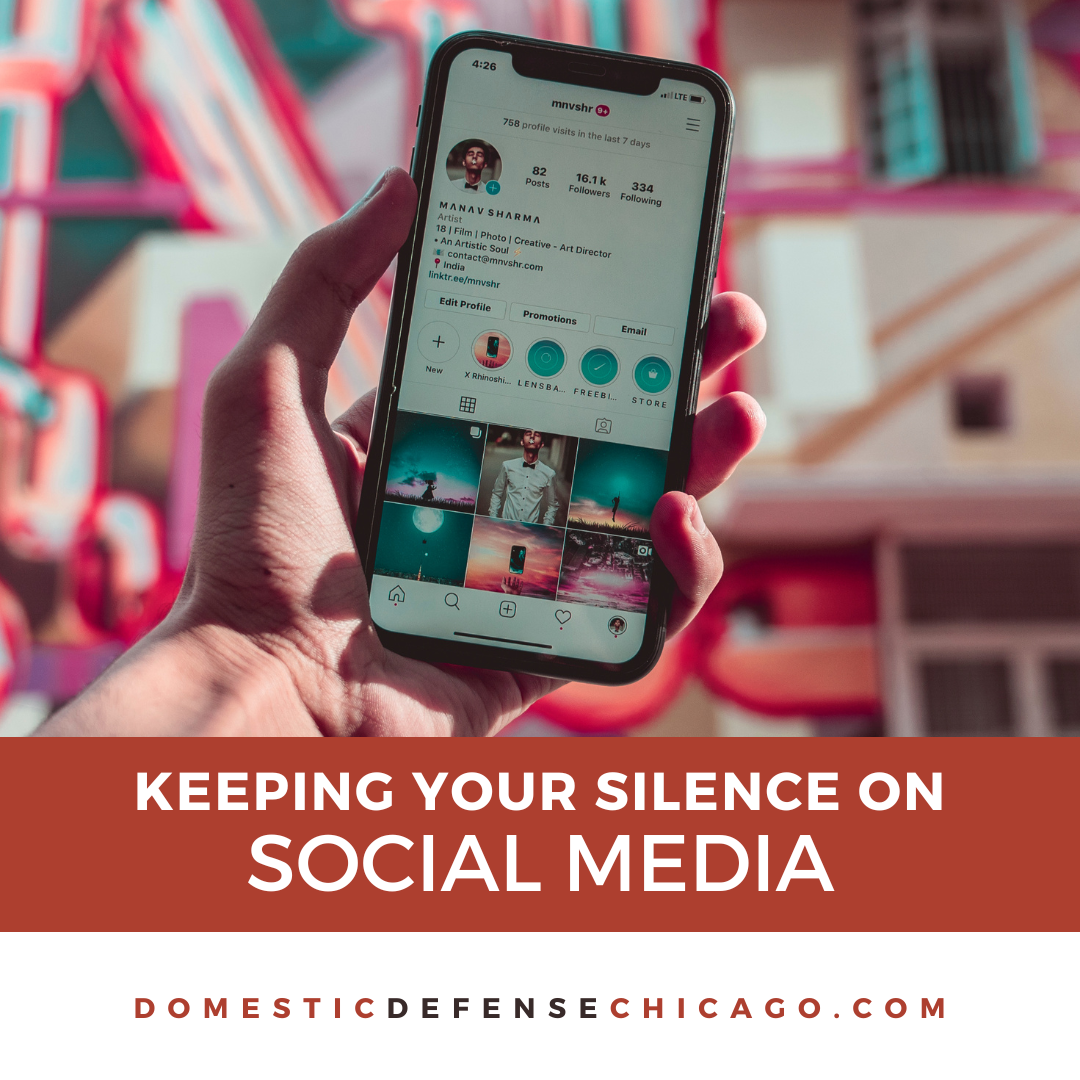
Anything you post, like, share, or comment on during your case can potentially become evidence. Prosecutors and investigators often:
-
Review public profiles for posts that contradict your statements.
-
Look for content they can frame as aggressive, threatening, or disrespectful.
-
Search for indirect communication with the accuser, such as through mutual friends or comments.
Even seemingly unrelated posts can be twisted to fit the prosecution’s narrative.
How Silence Removes Risk
By avoiding social media activity altogether, you eliminate several potential pitfalls:
-
Misinterpretation – Words, jokes, or photos can be taken out of context.
-
Timing conflicts – A post’s timestamp could raise questions about your whereabouts or priorities.
-
Indirect contact – Engaging with people connected to the accuser can be spun as harassment.
-
New accusations – Posts can lead to fresh claims of intimidation or violation of protective orders.
Staying silent isn’t about hiding guilt—it’s about removing opportunities for your actions to be misrepresented.
Silence Doesn’t Mean Disappearance
Going silent on social media doesn’t mean deleting your profiles or erasing past content. In fact, mass deletion can sometimes draw unwanted attention or look suspicious if your accounts are subpoenaed.
Instead, your attorney might recommend:
-
Leaving profiles as they are but not posting anything new.
-
Adjusting privacy settings to limit access to past posts.
-
Logging out of all accounts to avoid accidental activity.
When Silence Is Hard
For many people, social media is a primary way to communicate with friends and family, share updates, or vent frustrations. The urge to defend yourself publicly after an accusation can be strong—especially if the accuser is posting about you.
But responding online rarely helps. Even a carefully worded post can:
-
Become part of the case file.
-
Be interpreted as trying to influence public opinion.
-
Lead to follow-up questions in court about your intentions.
Let your attorney address misinformation through legal channels instead.
The Risk of Third-Party Posts
Even if you’re silent, friends or relatives might post on your behalf. This can be just as damaging, particularly if their comments are emotional or inflammatory.
If you’re concerned about public perception, you can ask trusted friends to avoid discussing your case online until it’s resolved.
How Prosecutors Use Social Media Against Defendants
Prosecutors can—and do—use social media posts to:
-
Challenge your credibility.
-
Undermine claims of remorse or good character.
-
Suggest motive or intent.
-
Show possible violations of no-contact orders.
The Illinois Courts’ official resources outline how evidence rules apply to digital communications, including social media. These rules allow authenticated posts to be admitted just like other documentary evidence.
Silence as a Strategic Tool
Social media silence sends a subtle but important message: you are taking the situation seriously. While you can’t control what others think, you can control what you put into the public sphere.
It also allows your lawyer to manage your defense without having to constantly respond to new posts, screenshots, or online disputes.
How Long to Stay Silent
The safest approach is to remain silent on social media until your case is completely resolved. That includes:
-
All hearings and trial dates have concluded.
-
Any probation or court-ordered programs are finished.
-
Your attorney confirms it’s safe to resume normal activity.
Even after resolution, be cautious about posting anything related to the case. If your charges are dropped or you’re acquitted, public statements should be carefully considered to avoid reopening conflict.
How an Attorney Can Help
An attorney can’t promise that staying silent will protect you from all scrutiny, but they can:
-
Advise on what specific types of posts to avoid.
-
Help you adjust privacy settings without appearing to hide evidence.
-
Monitor for posts from others that could impact your case.
-
Decide if any public statement is necessary and draft it with you.
Final Thoughts
In a domestic battery case, silence on social media isn’t weakness—it’s strategy. Every post is a potential piece of evidence, and every comment is an opportunity for the prosecution to frame your actions in a way that hurts your defense.
By stepping back from online activity and letting your lawyer guide all communication, you reduce unnecessary risks and give your defense the best possible environment to succeed.
Do You Need to Talk to an Attorney About Domestic Battery Defense?
If you need to talk to a domestic battery defense attorney in Illinois, we’re here to help. Call us at 847-920-4540 now – we’ll be happy to give you a free consultation and talk to you about your options.