
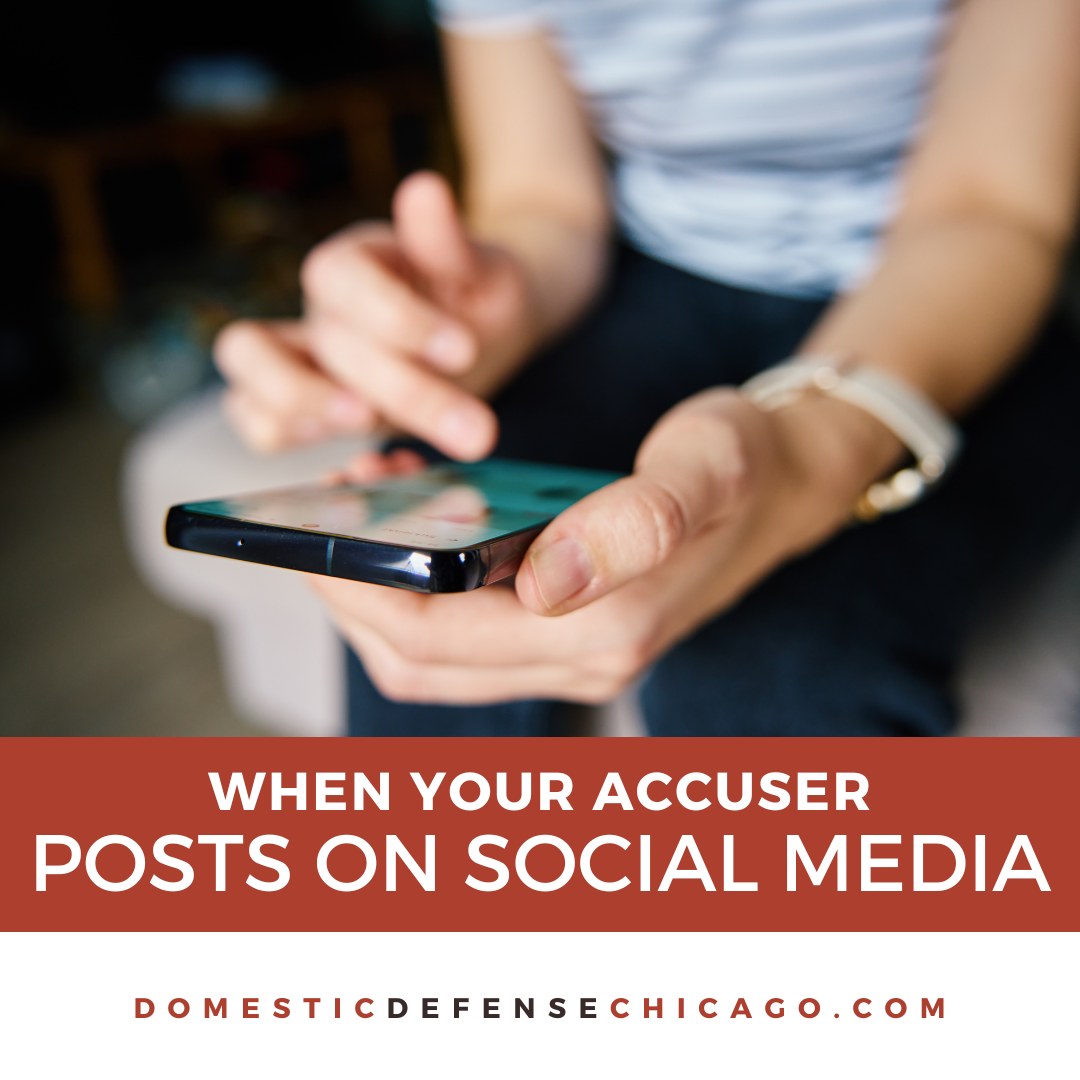
In a domestic battery case, social media posts can be more than just background noise—they can become evidence that shapes how the court sees the situation. An accuser’s posts might appear to support their claims, undermine them, or introduce entirely new allegations.
Handled correctly, social media evidence can give your attorney tools to challenge credibility or clarify the facts. Handled incorrectly, it can be misinterpreted, taken out of context, or even lead to new legal trouble for you. While no lawyer can guarantee a specific outcome, they can work to ensure social media evidence is used in a way that supports the best possible result in your case.
How Social Media Posts Enter a Case
An accuser’s posts might become part of your case through:
-
Direct submission by the accuser – Screenshots or printed posts shared with police or prosecutors.
-
Discovery requests – Your attorney may request access to relevant public or private posts.
-
Third-party sharing – Friends, family, or others may pass along posts to law enforcement.
Once posts are introduced, they’re usually treated like any other form of documentary evidence—requiring authentication and context.
How Social Media Can Help Your Defense
If reviewed and presented strategically, social media content can:
-
Show the accuser’s activities contradict their version of events
-
Reveal statements that differ from what they told police
-
Provide timestamps and locations that support your timeline
-
Indicate potential motives for false accusations
For example, a post claiming injury but showing the accuser engaged in physically demanding activity around the same time could raise credibility questions.
How Social Media Can Hurt Your Case
Not all posts will work in your favor. In some situations, the accuser’s social media activity can:
-
Reinforce their allegations with photos, videos, or written statements
-
Gain public sympathy, potentially influencing jury perception
-
Introduce new claims you’ll need to address in court
-
Create emotional or reputational challenges that complicate negotiations
Even if you believe a post is misleading or false, simply reacting to it—especially online—can hurt your case.
The Importance of Context
Social media is often interpreted in isolation, which can distort meaning. An attorney can help ensure that if posts are introduced, they’re seen in the full context of:
-
Who wrote or posted them
-
When they were created in relation to the alleged incident
-
Whether they’ve been altered or selectively presented
This is especially important for memes, jokes, or sarcastic remarks that might look different on paper than they did in the original conversation.
Avoid Engaging Directly
If your accuser posts something about you, resist the urge to respond online. Direct interaction can:
-
Violate orders of protection or bond conditions
-
Be viewed as harassment or intimidation
-
Create new evidence that could be used against you
Any response should go through your lawyer, who can decide if and how to address the post in court.
Legal Considerations in Illinois
Social media evidence must meet the same admissibility standards as other types of evidence. In Illinois, that means proving authenticity, relevance, and compliance with evidence rules, which you can review in the Illinois Rules of Evidence.
How an Attorney Can Help
An attorney can’t promise that social media evidence will work in your favor, but they can:
-
Identify and collect relevant posts before they disappear
-
Verify authenticity and prevent altered content from being used against you
-
Present posts in a way that supports your defense
-
Challenge posts that lack proper verification or context
Social media can be a powerful factor in a domestic battery case, for better or worse. The safest way to handle an accuser’s posts is to let your attorney take the lead—ensuring the evidence is used strategically and that you avoid actions that could unintentionally damage your defense.
Do You Need to Talk to an Attorney About Domestic Battery Defense?
If you need to talk to a domestic battery defense attorney in Illinois, we’re here to help. Call us at 847-920-4540 now – we’ll be happy to give you a free consultation and talk to you about your options.